Showing posts with label early planting. Show all posts

Friday, March 6, 2020

Sowing greens in early March! Mini greenhouse polytunnel

Finally! Today I sowed the first seeds of the year outdoors.

With the first garden bed, I used the bulb planter tool to make pockets in the mulch, and filled them with fine garden soil. I sowed different lettuces and radish.

On the following days this week, it was nice warm weather, so I continued to plant....

In the second bed, I sowed French Breakfast radish seed, Lollo Rosso lettuce, black seeded Simpson lettuce, ruby red lettuce, and Oakleaf lettuce seed amongst the radish.

In the third bed, I sowed Spinach and arugula together.

In the fourth, I sowed Swiss Chard and Dinosaur Kale amongst the already established cilantro plants.

In the fifth, I sowed Cilantro, Chives, French breakfast radish, and Peizehead lettuce seed were sown.

In the sixth bed, Iceberg lettuce and Buttercrunch lettuce seed were planted.

Now, all six garden beds are filled with seed and they're each covered with plastic or cloth. I planted raspberry plants as well amongst the blueberry bushes. I watered the garden beds and raspberry plants then covered them back over.

 Now we wait for the seedlings to sprout...


Saturday, March 28, 2015

Cold front in late Spring: Row covers & recycled bottle Cloches to protect garden

As you can tell, I have used many different materials cover small, young plants. Although I imagine the Brussels sprouts and Broccoli to be quite hardy to these weather conditions, there are tender greens sprouting like lettuce, spinach, kale, which I want to ensure protection from snow and frost that may accumulate. And using the plastic and row covers will trap some heat.



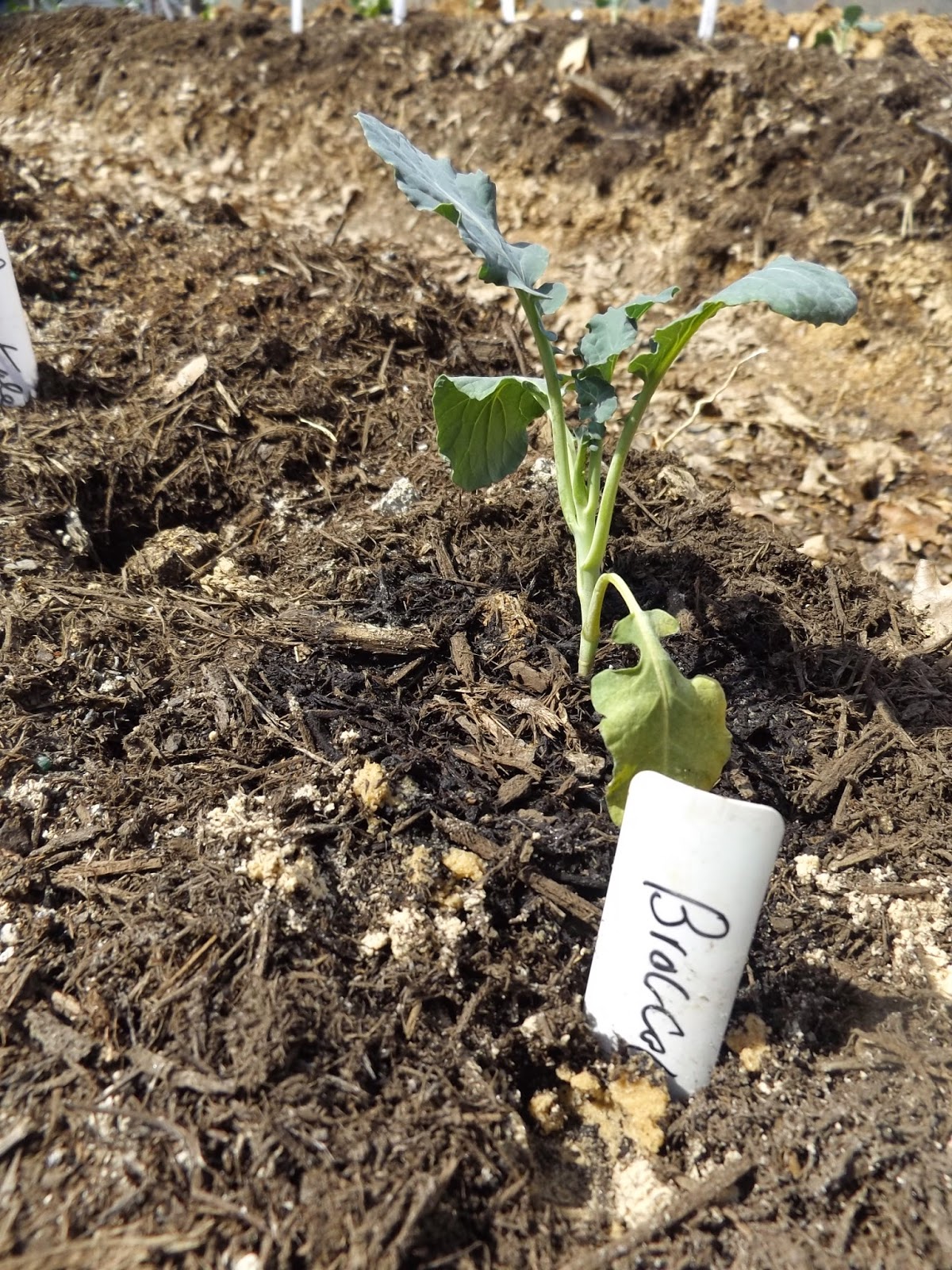
recycled item to protect broccoli


I made sure to cover the flowers too, except the Daffodils and Scilla flowers--there are too many clusters around the house to cover. I did cover the Hyacinths and Tulips, one with an old plastic fish tank and the others with recycled refrigerator shelves.
 
tulips covered
 
Hyacinths covered
 
Today's cold weather was a contrast to the sunny, warm weather we had for the last two weeks. We had freezing winds bringing in snow, which came as quite of a surprise. Quickly I cut bottles to put over the starter plants, then James and I covered the four Hugelkultur mounds with transparent plastic and row covers to retain heat through the cold night. The forecast predicts temperatures to drop to 24 degrees F tonight and tomorrow night.
 
row covers on Hugelkultur mounds to protect young plants

Monday, March 23, 2015

March growing Spring garden tour (video)

I showed you the many Cabbage plants growing underneath the plastic bottles. From several days ago, nearly half of the Cabbage starters died. Many of them were weak and it was to be expected. To fill in the spots where Cabbage had died, I replanted Brussels Sprouts, Broccoli, and Cauliflower, and Lettuce starters.

The garden looks much more alive and well...

Hugel mounds growing mix of Lettuce, Brussels, broccoli, cauliflower starters & seeds
Onions growing with Cauliflower and Brussels


Brussels Sprouts


Broccoli plants


Cauliflower with onions
In small patches, Lettuce, Spinach, Kale, Collards, Radish, Turnip, and Kohlrabi were directly sown in the mulch layer of the Hugelkultur mounds. Of course I have heard tiny seeds will not sprout through mulch, which is why I made holes within the mulch to add fine garden soil. Each vegetable has 10-15 patches growing in between the starter plants. I planted these days about a week ago or less. In the following weeks or month, we expect to begin harvesting from the greens.


lettuce growing


"Georgia" Collards

buttercrunch variety

red leaf lettuce grown from bottom

kohlrabi


For a detailed view of the Spring garden, watch the video posted below:


Tuesday, February 24, 2015

EARLY blooming Spring Flowers (February-April)

Hyacinths growing in the snow
In my area, the Daffodils pop up as early as January and February. Of course they do not bloom until early March.
I live in Northern Kentucky, where the Dogwoods and Locusts trees bloom through March and April. The Hyacinths are in full bloom, as well.
Sometimes they bloom so early I feel the need to mulch and cover early blooming flowers with cloches. For my post on Cloches and making your own plant protection, read here: Cloches plant protection (early planting & extend growing season). I remember one year when the Daffodils were growing through the a Winter storm, and I made sure to protect them with plastic bottles and other plastic containers to keep them warm and protected from the snow.


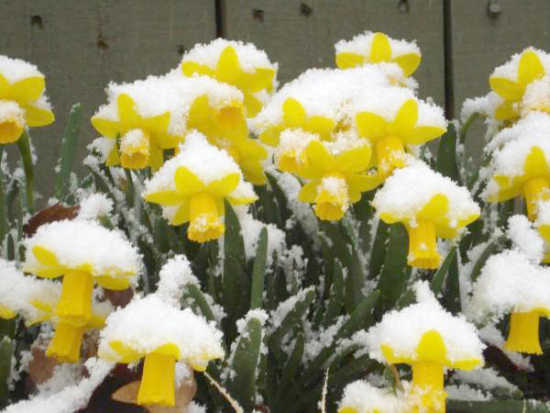
Daffodils withstanding snow and cold
 It's nice to see flowers pushing through the snow and begging for Spring weather.  Growing early blooming flowers sets the pretext for a beautiful summer. Design your Perennial garden to bloom from Early Spring and transition into different times of the year.

 
Below is a list of the following Flowers which bloom early in the Spring.


Ajuga
Lenten Rose
Azalea
Lungwort
Bleeding heart
Lupine
Bloodroot
Mahonia
Camellia
Marsh Marigold
Carnations
Pasque

Dogwood
 
 
Primrose 
Cowslips
Scilla
Creeping Phlox
 
Snowdrops
 
Crested Iris
Spicebush
Crocus
 
 
Spiraea
 
Daffodils
Star Magnolia
Eranthis
Sweet violet
Flowering Quince
Tulip
Forsythia


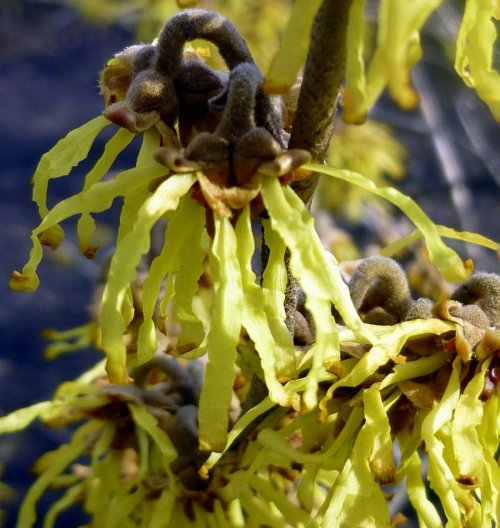
Vernal Witch hazel
 
Fritillaria
Viburnum
Giant Snowflake
Vinca
Grecian Windflower
Virginia Bluebells
Heartleaf Brunnera
Winter Aconite
Hyacinths
 
Japanese Pussy Willow


Feel free to look through my Floral photographs of many of the Early blooming flowers, here: Collection of Floral Photography 2014. One of the photographs from last year's collection was of the Hyacinths that grew at the end of March and early April, seen below.

Hyacinths from the yard

Tuesday, February 17, 2015

Cloches plant protection (early planting & extend growing season)

Recycle plastics, glass, and other materials for creating cloches. Cloches are any type of covering that protects plants from snow, cold temperatures, and "pests". This method ensures to protect your plant from dying when growing fruits and vegetables early in Spring, or when extending the growing season into Fall and Winter. Cloches that are bell or tent shaped allow room for individual plants, while Polytunnels or elongated plastic coverings are good for long rows of plants.


Instead of buying cloches, make your own using jugs. Cut the bottoms of the jugs to go over the top of plants, and remove lids to allow air flow.

photo link
Inhabitat

Maybe you have items around your home that you're not using, for example wicker baskets.
It would be interesting to use old clothes baskets as well.

pinterest
Cloches may only be necessary when the plants are young. As soon as they outgrow the cloches you have provided as their covering, it may already be warm enough without the need for protection. If it is necessary to protect large plants say to extend their growing season, you will need larger coverings, for example cold frames.
pinterest

Mother Earth News
As long as your days are warm, you do not need to cover your plants; but if the nights are too cold, cover your plants with anything you have on hand like a thin blanket, canvas, terracotta pot, plastic flower pot, storage tub, or any containers. My grandmother uses thin blankets to cover her rose bushes. It is not totally necessary to have transparent plastic or glass to cover plants. Plants can be completing shaded by the container at night; as long as you uncover the plant in the morning for sunlight.
If the plant is large and well established, you could even use a trash bag to cover at night.


photo link

from It's About Time

Store bought cloches can cost up to $40 at stores like Lowes. In the photo below, this gardener is very resourceful as they have saved or collected items that would have otherwise been thrown in a landfill, and they are using free materials.
Most gardeners prefer bottle shaped cloches because they're elongated, perfect for young plants. You could also save your plastic container boxes when you buy strawberries, blueberries, spinach, greens, and dates from the store.
Renaissance Little Green Book
INCH BY INCH, ROW BY ROW
by Vertical gardener
Be creative, as you may have materials that you would consider junk or trash that could be used to protect plants. Perhaps an old window, door, or old refrigerator shelves.

pinterest
Of course Greenhouses and polytunnels are ideal for early planting and extending the growing season. These options may cost you, but again you can always make your own greenhouse or polytunnel out of free materials. Many people have constructed greenhouses using recycled (free) materials, which I have show you, here: Construct a greenhouse using Free Supplies.