Showing posts with label no work. Show all posts

Thursday, April 13, 2017

Re-wild yourself by hiking in the woods

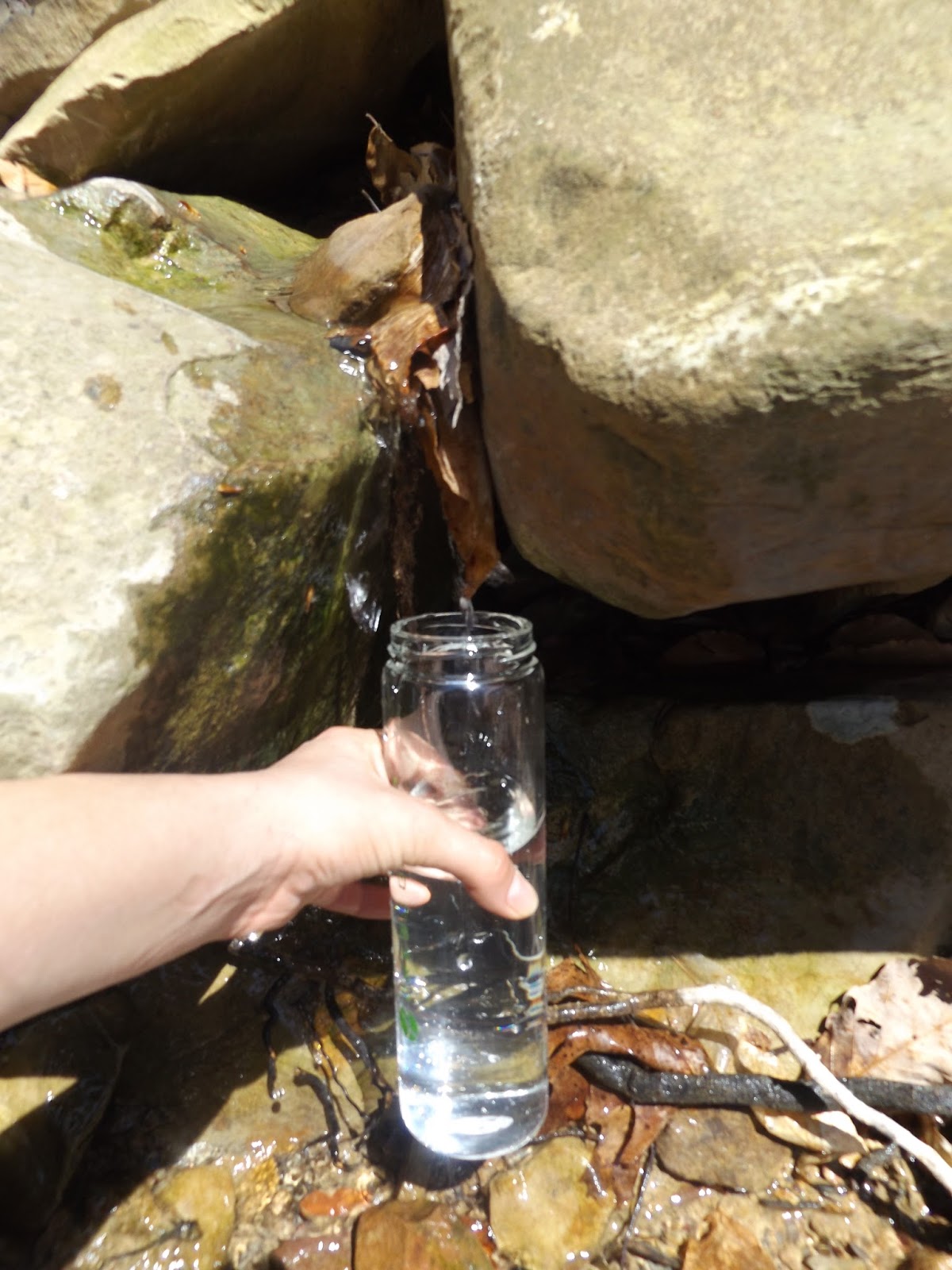
Once again I foraged for morel mushrooms this week for the third time and found nothing again despite hunting for three hours today. I took the dog to the same creek as I had a couple of days ago so she could bath and drink the water. When we came to the creek, I filled up my bottle and used the lifestraw to drink the creek water. My brother came along for exercise. As we hiked, we took lots of pictures which I have posted below. Dogwood, red bud, and paw paw trees were blooming and other flowers in the woods as well. 


Saturday, February 7, 2015

Recycled Cardboard box garden

farm hack
Gardening is easy as throwing out seeds onto a patch of soil-- really, you do not need any raised bed, but I believe Growing in a cardboard box seems almost as effortless, especially compared to other raised bed ideas.

Save or collect boxes to create raised beds. I usually have boxes from my case of bananas or other fruit. These boxes then get used in the garden in some way. In this case, the box acts like a barrier for weeds.  Typical Raised beds are made of recycled pallets assembled with nails and hammers, and even some saw work or digging. Using the cardboard box method makes gardening for elders and kids easily maintained, considering it requires no tilling, shoveling, hoeing, etc. Even raised beds made of dead logs requires much labor, for example hauling heavy, large logs from the woods to your desired location.

*I am not advocating for cardboard to continue to be manufactured to serve our own purposes; but I am advocating collecting materials that would otherwise go to a landfill. 

pic from: meinlessmatters
Although I have access to plenty of logs to make raised beds and hugelkultur mounds, and I have access to pallets to make raised beds-- I feel that a cardboard box garden can come in handy for overgrown areas of my food forest. For example there are patches of overgrown areas between flower bushes. Instead of layering soil on top of the overgrown spots--which may promote more weed growth--the cardboard would prohibit the weeds from growing up into the soil.
birds and blooms


Many Permaculturists use cardboard as the barrier layer between the grass/bare ground and the compost/soil/mulch layer. This ensures the weeds will not grow through the soil, competing with your veggies for nutrition. Keep in mind, cardboard boxes is a short term solution because the cardboard will quickly degrade with the contained soil. As the cardboard degrades it creates a surface medium for next years garden, for example: Continue to add soil/wood chips/compost over top the degraded/dilapidated boxes, which will continue to smother out surrounding weeds, and give you a chance to collect more cardboard for sheet mulching, which I have discussed in detail here: Straw bale Layering, & Lasagna Gardening (Sheet mulching).


Wednesday, December 10, 2014

Edible Landcaping: All About Perennials (Flowers, herbs, & food)


photo source: Gardening Forums
"Some perennial trees can live for thousands of years, while other plants, like lavender, live closer to 10" (SF Gate). Types of Perennials include (1) evergreen perennials like Begonia and banana; (2) deciduous perennials like the goldenrod and mint; (3) monocarpic perennials for example Agave and some species of Streptocarpus; (4) woody perennials such as maple, pine, apple trees; and (5) herbaceous perennials such as alfalfa, wheat grass, and Red clover.

The term Perennial is used to differentiate annuals and biennials which are shorter-lived plants. Small flowering (herbaceous) perennial plants die back every autumn and winter, then return in the spring from their root-stock. Through a form of vegetative reproduction rather than seeding, Perennials typically grow structures (bulbs, tubers, rhizomes) that allow them to adapt and survive periods of dormancy over cold or dry seasons during the year.
"Perennial plants can be short-lived (only a few years) or they can be long-lived, as are some woody plants like trees. They include a wide assortment of plant groups from ferns and liverworts to the highly diverse flowering plants like orchids and grasses"(Perennial Plants). For example, Tomato vines live several years in their natural tropical/subtropical habitat but are grown as "annuals" in temperate regions because they don't survive the winter.  
Perennial plants are usually better competitors than annual plants (especially if growing in poor conditions), because their larger root systems will access water and soil nutrients deeper in the soil--why is why Perennial plants and trees dominate many natural ecosystems on land and in fresh water. In nature with other wild animals, we would be relying on Perennial fruit and nut trees, perennials flowers and herbs for food.

photo source


Generally gardeners want to grow Perennials in an effort to grow higher yields of food, and spend no time tilling, or re-planting next year. However, I suggest to continue to re-growing (or Propagating) perennials through dividing or cuttings. This will allow you to increase the number of plants in your garden without purchasing from a big-box-store. 
 "Once the plant's root structure is large enough, you can simply divide it into separate clumps and transplant...In late fall, follow these simple steps:
Determine whether the perennial should be divided: Check out the crown of the plant, which sits right at the soil's surface. If there are multiple crowns where leaves are growing, the plant is ready to divide.
Remove the plant from the soil: Use a shovel to dig around the plant and loosen it from the soil.
Root division: To avoid damaging roots, use a small garden fork to gently untangle the root structure into two clumps. Depending on how big the root structure is, you can continue to divide into smaller clumps.
Transplant: Replant the clumps into the soil, making sure to give each plant enough space to grow. This will depend on how large the expected root structure is - ask your local gardening store if you're unsure. Cover with soil, water and make sure the soil is moist throughout the winter. With luck, the rains should take care of that" (SF Gate). 
Besides dividing plants, gardeners also root plants from cuttings. For example, "Cleanly cut a stem about 3 inches in length off of the plant, at a diagonal and above a node. Remove any leaves so that energy can be redirected into growing roots.
Encourage root growth: Cover the end with a root hormone powder (check your local gardening store) or a natural root stimulant.
Keep moist and warm: If left out in the air, the cutting will dehydrate and shrivel quickly. Dig a wide hole in moist soil, to ensure that the root powder does not scrape off the sides of the cutting as you place it in. Fill in with soil and keep well watered, well drained and warm.
Tug: To determine if the plant is ready to be transplanted into your garden, pull on it. If it pulls back - this time varies from plant to plant, but anywhere from one to four weeks later - you're good to go" (SF Gate). 

photo source: Edible landscaping

According to Becca Badgett, gardeners should choose to grow "delicate and frilly flowers when choosing hardy perennial plants that are members of the Dianthus family, such as Sweet William and carnations. The herb yarrow provides frilly foliage and delicate blooms when used for cold climate gardening" (GardeningKnowHow). Becca Badgett also suggests growing Perennial plants from shortest to tallest around the borders of your home or yard (like in the picture below).
source: Small Yard Landscaping Ideas

For example, plant  your taller plant in the back, like the Foxglove, Bugbane, Meadowsweet, Sneezeweed; and Echinacea, Delphinium, Aster, Chrysanthemum, False indigo, Tickseed, Bleeding heart, and Globe thistle. Shorter plants for the front of the garden include: Ajuga, Spurge, Sea thrift, and Wormwood.

Here I have provided a list of Common Perennial food, trees and flowers that grow in almost any region:

Wild edibles with Sergei Boutenko

Herbs &Vegetables

Alfalfa
Asparagus
Caucasian Spinach  
Fennel
Garlic Chives
Ginger
Good King Henry
Groundnut
Ramps (Wild Leeks)
Rhubarb 

Scallions
Sorrel
Sunchokes
 Sylvetta
Thyme
Watercress 

photo source
Fruit & Nut Trees

 Apples
Apricot
Beech nut 
Blackberry
Blueberries
Cape gooseberries
Cherries 
Gooseberries
Grapes
Hickory nut
Paw paw
PeachesPears
Plums
Raspberries
Strawberries 
Walnut


photo source
Flowers

African lily
 Bee Balm
 Bleeding Heart
 Canna lily
 Chrysanthemums  
Common thrift
Daffodil
  Dahlia 
Day lilies
 Echinacea
Hosta

Goldenrods
 Hellebore  
Larkspur 
 Monkshood
Peony
Queen-of-the-prairie 
 Spiderwort
Summer daisy
Solomon's Seal
 Virginia bluebell
Zinnia


If you read my post "List of Shade & Cold tolerant plants" from weeks ago, some of the names of Flowers and vegetables may sound familiar. Many of the shade and cold tolerant flowers and vegetables I listed in that post were Perennial plants. For example, Ferns, Hostas, Bee Balm, Viola, Solomon's Seal are Perennial plants that tolerate shade and cold climates. 
Some of the Flowers I listed above are growing in my Grandmother's Perennial Flower garden.  She grows Bee Balm, Butterfly bush, Tulips, Phlox, Iris, Dahlia, and Yarrow. These flowers are cold hardy, growing in Zone 6 (my region) and as cold as USDA Zone 3. I have taken many photos of her flowers, which you can see in this post: Floral Photography 2014.
 
Edible Landscape Design made an Extended list of other Perennial fruit trees and vegetables I did not mention, which you can see here: A list of Perennials to Get You Started. I highly recommend reading my Extensive list of Uncommon Fruit trees and fruit bushes because it provides a list of Cold Hardy Perennial Foods for Edible Landscaping. Click the link to the article and read how to grow each of these Fruits: List of Uncommon Cold Hardy Fruit Trees (Gardening Zones 3-7).


References from GardenGuides, SF Gate, GardeningKnowHow and Permaculture Research Institute.