Here is another product review I have finally made. This is the mini greenhouse that is sold at Lowes, so I share with you my experience with this product for the (almost) year I have been using it in the video below.
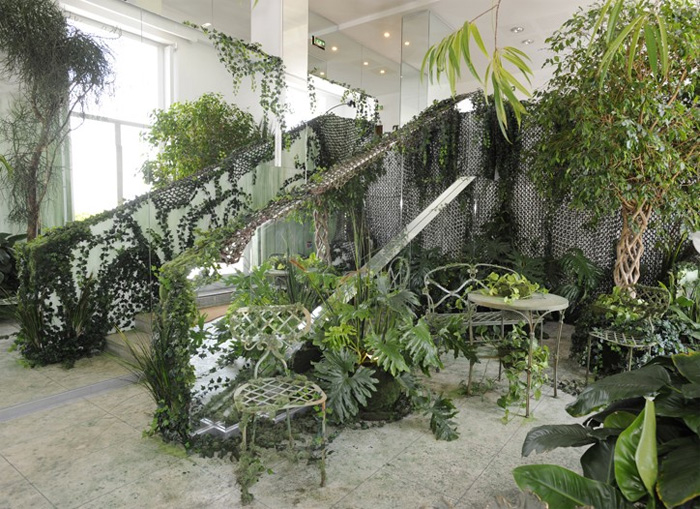
Months back I made a post on indoor houseplants, which you can see here: Transform your home into a Rainforest Jungle (& list of tropical plants to grow indoors). I highly recommend viewing that post because there are some pictures of homes that have been transformed into a rain forest-like atmosphere, just by adding a couple houseplants. In that post I mentioned the three main household toxins of
concern are benzene, formaldehyde, and trichloroethylene. These toxins can be
removed by adding an abundance of house plants.
The video below are low maintenance, low light, and beautiful plants that I grow indoors during the winter months. During the summer, I suggest keeping them outside. Oxygenate your house with these plants that also pull toxins to create a clean environment.
You see that I am growing Earth Peace Lily, Bromeliad, dracaena, Croton, Aloe Vera, Mother-in-law's tongue (Snake plant), and Christmas Cactus. Most of these plants can be watered as little as once per month. Other tropical plants I am growing are fruit trees such as avocado, pineapple, papaya, and tangerine seedlings.
Botanical Explorers: The Fruitful Forest (Full Movie) from Hundredth Hominid Productions on Vimeo.
There are over 20,000 Species of Edible plants on the planet, but Humans use only about 20 Species to provide 90% for our food. So why do we Utilize so little when there is so much? Joseph Simcox, a passion driven Food Plant Ecologist has traveled to over 100 countries, finding, documenting & eating all the plants we don't use. From the deep jungles of Papua New Guinea To the vast deserts of Namibia Africa, he sheds light on the extraordinary wonders of the edible plant world. In this Film Joe meets up with his brother Patrick Simcox in Peru, along with there team, and ventures deep into the Amazon Jungle to document, eat, & shed light on a small fraction of some the most amazing things nature has to offer. Come along on the Adventure! For more Info Visit: explorewithjoseph.com
Shot & Edited By: Anthony B. Rodriguez
Intro- 00:00 Room Of Rare Seeds- 02:34 Flight To The Amazon- 04:25 Iquitos Belen Market- 05:51 Meeting Our Jungle Guide- 14:36 Journey Down River- 16:09 Home in the jungle- 18:52 Off To Find Fruits- 21:35 Forest Destruction- 23:23 Deep Into The Jungle- 24:17 Where Are The Fruits?- 30:21 Eating Giant Grubs- 35:13 Medicinal Plants- 40:13 Village Visit- 48:11 Delicious Garcinia- 55:29 Whats The Overall Goal?- 58:52 Outro- 59:50 Credits- 01:02:12
"1. The earth has more than 80,000 species of edible plants.
If you’re ever in the mood to try something new, the good news is that there is certainly food you haven’t tasted yet still growing somewhere in the world. You’ll probably have some trouble finding it, however, because … Photo courtesy of Shutterstock2. 90 percent of the foods humans eat come from just 30 plants.
Out of tens of thousands of plants we could eat, mankind chooses to consume only about 30 of them. It’s crazy to contemplate how limited our diets are compared to all of the different foods we could be eating. If you think the selection of which plants we eat has anything to do with their nutritional benefits, however, you’d be wrong …
3. Nutrition doesn’t factor into the crops we do mass produce.
The world’s largest farmers have pursued certain crops because they can grow a lot of them more quickly, easily and inexpensively to turn a better profit. As a result, most of the most healthful plants stay off of our dinner plates because they aren’t available at grocery stores. Still, sustenance isn’t the only thing humans rely on plants for …
4. 70,000 plant species are utilized for medicine.
As it turns out, humans are more diversified in the plants we use for medicine. Although a large portion of that figure applies to traditional medicine, modern medicine is not excepted from plant help. Half of the drugs prescribed in the U.S. have plant origins, many coming out of the rainforest, yet …
5. Only one percent of rainforest plants have been studied for medicinal potential.
Given how valuable plants can be medicinally, the rainforest houses a host of possible cures for ailments new and old. This untapped resource could still hold the key to medical breakthroughs. Of course, a lot of this potential could be lost considering … Photo courtesy of Shutterstock6. 80 percent of the Earth’s original forests have been cleared or destroyed.
The same forests that dominated the land 8,000 years ago are all but gone. Approximately four-fifths of the forests are gone thanks to human intervention—just think of how many plant species may have been lost in that process. If you thought protections were in place, actually …
7. Just 10 percent of the world’s plant-rich areas are protected.
Of the most biodiverse areas on the planet, only 10 percent are officially “protected” to ensure the survival of a multitude of species—plant and animal alike. Worse still, many of the supposedly protected areas are done so nominally only, leaving plants threatened by external factors they should be safeguarded from. This is especially problematic because …
8. More than half of plant species are native to just one country.
Chances are, a plant you find in one part of the world is not currently growing anywhere else. As plant habitat is ruined, there’s little point in hoping that the killed plants could be found and harvested somewhere else in the future. For this reason …
9. 68 percent of plants are in danger of going extinct.
While scientists have only examined a fraction of the existing known plant species, of those that have been studied, 68 percent face extinction in the not too distant future. Since plants can’t just up and move as their habitat is being destroyed, they are even more vulnerable than endangered animals. It’s happening quickly, too, since …
10. Plant species are going extinct—about 5,000 times faster than they should.
Some will argue that species would go extinct even without human interference. While that’s certainly true, it’s the rate that plants are dying off that raises alarm. Thanks to climate change, deforestation and other human-influence factors, experts believe that species are going extinct somewhere between 1,000 and 10,000 times faster than they would naturally".
Maybe you have a sunny room you can dedicate to growing food. If not, some corners of your home that get a little extra sun can be dedicated to shelves that will house trays or pots of vegetables and greens.
Parts of my living room, utility room, and bedroom that receive the most light are growing my house plants (Aloe Vera, Snake plant, Peace Lily, Christmas cactus). And I have a small greenhouse next to a window that is currently growing over 100 cabbage starters, which you can see in the post here: What I'm growing Indoors during February Winter.
I fantasize about living in a Rainforest, because of the fresh, live, green scenery and abundance of food, but I can just as easily surround myself with dangling and potted plants, and food in my home.
The three main household toxins of concern are benzene, formaldehyde, and trichloroethylene, which can be removed by adding an abundance of house plants. Imagine creating your own Rainforest Jungle in your home, which would create fresh air as the plants absorb CO2, remove toxins, naturally humidifies air, and the greenery creates an uplifting mood/atmosphere during the dead or dreary Fall and Winter months.
In a previous post I made a chart of the plants that are shade tolerant that would also grow well indoors: List of shade & cold tolerant plants (vegetables, herbs, & flowers). In my post I failed to mention what plants that can be grown indoors, for example tropical plants like:
Peace
Lily, Aloe Vera, Snake Plant, and Christmas cactus which I grow at my
house. Other plants that grow well indoors are:
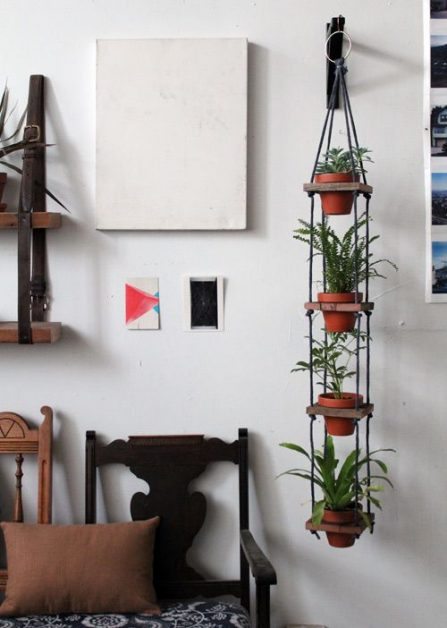
Grow plants by a South facing Window or Room that receives over four hours of sunlight. Water each plant thoroughly once every week or two. If I have leftover water for whatever reason, I dump the water onto a potted plant. Save space by placing potted plants on shelves or hang them vertically. Utilizing vertical space will allow you to grow more plants in one area than utilizing floor space.
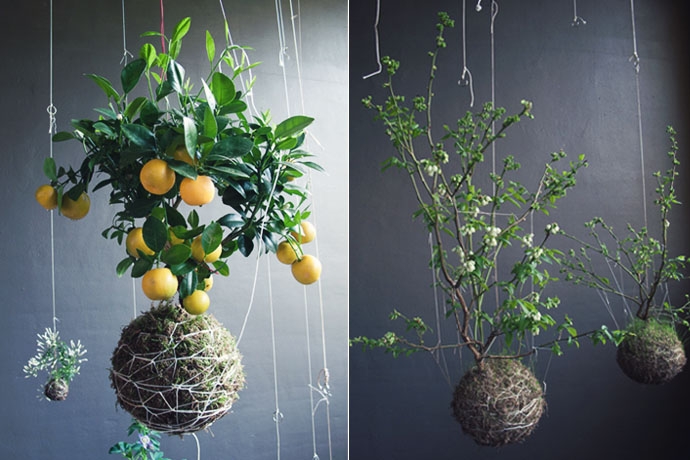
Instead of growing only Tropical house plants, try growing Trees that will produce Fruit. For instance, dwarf Orange trees, lemon and limes are small enough trees that can be grown indoors.