Sunday, December 30, 2012

Garden Prep (What I'm doing to prepare for spring gardening in DECEMBER)

On Friday, my partner and I had a surge of energy, so we cleaned up the yard, organized materials, burned recyclables for our garden so we could start prepping for Spring gardening. Technically, I will be gardening in February since I'll be starting Cabbage and Brussels indoors. In the first three pictures, you will see that I made seed starting trays out of water bottles and duck tape. 

I always suggest to people they should use free, recycled,
re-purposed materials to create your own tools/supplies.

To make these trays, cut off the head/lid of the
water bottle, line bottles in rows, then tape.

Remember to puncture holes in the bottoms of each
water bottle for drainage.

The compost pile is full of leaves that I raked up around the yard.

Compost should be 1(nitrogen):3(carbon) ratio.
Compost needs to contain 1 part food scraps to every
3 parts of wood-based materials
(leaves, sticks, bark, ash, paper)

This past summer I grew tomatoes, peppers, and beans here.
Next Spring, I will be growing Cabbage, Brussels, and Broccoli here,
as seen here.

In the making of our herb garden. We had logs around our
house from a tree we had to cut down.


More free materials!
 As I said, I want to create a HEART-SHAPED FLOWER BED. I want it to look something like this, but with the bricks I have found around the yard:

Photo Source: Romantic Garden


Burning brush and wood from around our yard helps
add nitrogen to our soil, and it also helps us to expand the garden.

The garden, on my Mother's property, is currently 35 ft long and 13 ft wide. We're expanding the garden by another 30 ft for maximum yields!

Below I have posted a video from growingyourgreens.com, where "John goes on a field trip to Orange County Farm supply to share with you their hanging vertical garden made from an old shipping pallet. In addition, John shares with you how to deal with pests in your garden organically without the use of man made chemical poisons. In addition you will learn the most important aspect of a vegetable garden the soil and the best nutrients to add to supercharge your plant growth to grow bigger and tastier fruits and vegetables":


Check out the link below to see specific gardening requirements for each fruit, vegetable, and herb:

Vegetable Gardening Guide from Explore Cornell University

Thursday, December 27, 2012

Free ways to decorate your yard

I know it's December, and planting food and flowers seems too far away to worry about; but thinking about these things ahead of time is very important to me (since I'll be planting cabbage and Brussels Sprouts as earlier as February next year!) December and January are the best months for planning; and hopefully I can encourage you to do the same ;)

SIMPLE & FREE WAYS YOU CAN SPICE UP YOUR YARD

I remember before I became a gardener, I wanted to transform my yard into a Japanese-secret-garden-scene. I love the mystery in a Japanese Garden; and actually my dream was (and still is) to be able to get lost in the never-ending paths of lush greenery. Doesn't everyone want to have a yard that looks like paradise?
To me, gardening is much more than growing free food; there is an artistic expression in gardening, in that we're creating life and beauty for everyone to admire...

Your home as well as your yard should be a place that comforts and relaxes you. And you can create this atmosphere in your yard by using free, re-purposed, recycled, and reused materials around you. I have two similar posts "Raised Bed Garden Ideas & Using Free materials" and "What's the best, free material to use for raised beds?" if you're curious to see how I used free materials around my house.

To all of you that want your yard professional-looking, I have listed methods on decorating your yard for free, as well as post pictures for inspiration and creativity:

1. ROCKS (or stones)

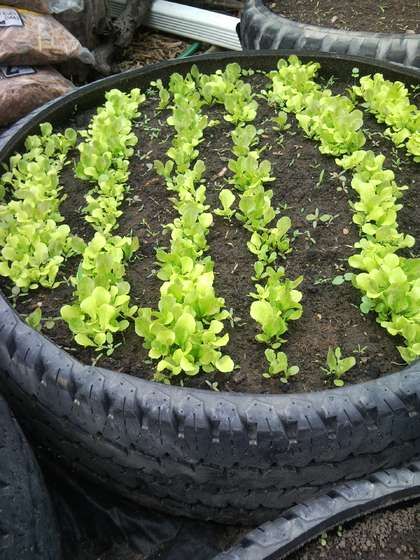
Rocks can be found (for free) in creek beds, around your house, and in the woods to decorate your yard. You can literally find big rocks anywhere you go. Rocks are also versatile to use when landscaping because you can create a raised bed (for growing food), rock paths, steps, walls, etc. With free rocks alone, I made a small patio and a raised bed!

Raised Beds made of Stone

 TUTORIAL HERE @ "THE SAGE BUTTERFLY"

Walkway made of Flat creek rock
Here is a walkway my Dad made
Raised bed made of creek rock

Spiral design for garden bed, made with rocks. You can see how others construct spiral raised bed gardens in this video: Building a Herb Spiral in Under 5 minutes.


Photo and post here @ Growing The Home Garden

Raised bed for vegetable garden, made of flat rocks

Photo and post here @ Homesteading on the Internet
Cob home made of rock foundation

Picture from Middle Earth Home

2. WOOD (Free pallets, logs, etc)


My partner and I built this!

Photo and post @ Curtis and Kaye Absher


Source: Instructables
  
Source: DIY Network
You could also use BAMBOO as an alternative to Wood. Bamboo is well known for growing abundantly and rapidly, and much more sustainable than cutting down 20-50 year old trees.

3. Homemade Ponds

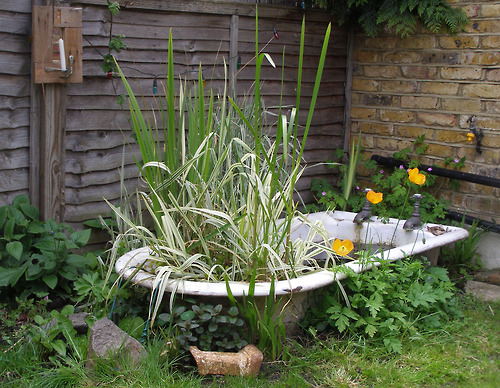
Ponds are a great addition for an exotic appeal, to your yard; but they can also serve as a water source for your plants, veggies, and fruits. 


Photo and post here

4. MULCH

Mulch is best used for adding nutrients to plants; preventing weeds from growing around your plants; and trapping moisture. Mulch can also be a very attractive way of landscaping your yard. Also, if you don't want to build raised beds (with pallets) or form a raised bed with rocks, you could PILE mulch in long rows without any materials to hold in the dirt/mulch for planting. 

picture source here
 
5. Other props (think unique)


Photo and post here @ Under the Table and Dreaming.
Check out Stephanie's post for more unique ways of
displaying and growing food!

Photo and post here @ Under the Table and Dreaming
Find post and photo here @ Miss Thrifty

As I mentioned, I have two similar posts on re-purposing materials to grow food here: "Raised Bed Garden Ideas & Using Free materials" and "What's the best, free material to use for raised beds?"

Remember to use whatever materials are close to hand; and never buy anything new if you can reuse something old. Below I have listed additional pictures of other unique concepts:

Paint Stumps, pieces of wood or stools like Mushrooms. The next photo also features a painting concept, decorating large rocks for display. Paint rocks with colors that match the color schemes of your home and outside decor.
From Twig & Toadstool
From She Moves the Furniture


Grow sunflowers or other tall plants in a circle. Kids will use this niche to hide and get away to a beautiful scene, like in the pictures below.

Tuesday, December 18, 2012

COB BUILDING (Straw, clay, & Sand for building DREAM EARTH HOME)

Are you interested in a home made of materials from under your feet? Do you want a house that costs less than a car or a computer? Would you rather have a home sculpted from clean, Earth materials than a home made of toxic, commercial products? Of course you do!
Below I have posted some of my favorite videos from Youtube that talk about how to make INEXPENSIVE DREAM HOMES made of the cleanest materials (straw, clay, and sand.) These videos are to urge you to want to build a home of natural materials (rather than toxic plastic walls, fiberglass insulation, and other flammable products.) Homes made of clay (blended with straw/sand) are fire-resistant, bug-proof, earthquake and tornado-safe; and can be mended and shaped easily if it needs restructured. Clay is also abundant and common in most regions.

Saturday, December 1, 2012

TOP 5 YOGA TIPS FOR BEGINNERS


Hello everyone! Hope you all had a great November (World Vegan Month); it's time to move on to the pleasures December brings us....

As you may or may not know, I have been practicing yoga for the last five years; and within that time, I have learned many ways to improve my skills. I am not a professional, but I would like to think of myself as a guide for beginners. Consequently, I have compiled a list of my BEST YOGA TIPS that will enable you to master your practice.
Here are my top FIVE Yoga Tips:

Saturday, October 6, 2012

P90X, Insanity, Zumba, Julian Michaels: What do these programs have in common?

All of the exercise programs I have mentioned in the title, have three aspects in common: they're pointless, they are marketing off of your unhappiness/vulnerability; and they're stressing your body quickly in a shorter amount of time in order for you to achieve faster results. These "quick" miracles, with the promise you will be gorgeous in 90 days, defeats the body faster -- then you inherently give up exercising because you're body aches, and as you become lazier you find solace in unhealthy foods....Trust me, I know... 

Real exercise is minimal and long, like biking, hiking, running, and yoga. Kenpo is also very fun.

Don't you feel like a ROBOT when you're exercising these work-out programs...following along to their every move...
 

Thursday, August 23, 2012

Sensa, Atkins Diet, Hydroxycut, Weight Watchers, QuikTrim: What do these have in common?

All of the weight control programs/products I have mentioned, are deliberately promoting an anorexic diet. Sensa helps people suppress their hunger, by sprinkling a concoction onto your food, so you will eat smaller portions. Don't you feel like a science experiment when dousing Sensa on your food?
Weight Watchers is similar in that it uses a number system so you can control the amount of food you are eating. The Atkins diet aims for you to eat all of the low carb foods like meat and vegetables, without fruit, rice, and potatoes.

Every weight loss product and program is going to tell you to eat smaller portions, because they know you're going to keep eating animal products, which have the highest fat and lowest nutritional value. Fruits and vegetables, on the other hand, have zero fat and have the highest source of vitamins.

Friday, August 17, 2012

How to Plan your Summer Garden

Before summer ended, I wanted to demonstrate what a regular summer garden looks like. Below is my garden that is located at my grandparents' house, which consisted of the squash, zucchini, cucumbers, cushaws, beans, peas, and potatoes.

Thursday, August 9, 2012

The best sources of vitamins & how to avoid fat on a vegan diet

When people make the decision to diet, they try to avoid large amounts of calories or carbs, but never think about avoiding fats (meat, dairy, eggs, and oil.) In fact, I hear more often to avoid carbohydrates and eat more fats. Most people want to keep eating meat and dairy (fat), so they try to starve themselves of all other foods so they can continue to lose weight. Of course you can lose weight very fast by reducing your calorie intake, which is why people turn to that technique, especially men because they want meat. However it isn't realistic to believe you will maintain your ideal weight by reducing your calories and carbs. You'll binge out if you reduce calories and carbs for a long period of time.
Veganism makes more sense because you can eat large quantities of calories and carbohydrates from veggies, fruit, grains, and beans which will make you feel full consistently, while giving you large amounts of vitamins that animal products lack. Why don't you eat a LOT of calories and carbohydrates from fruit and vegetable sources so you can lose weight faster and get the most nutrition?

If you're concerned about vitamins on a vegan diet, I assure you that you can get the recommended amount of protein, calcium, vitamin D, and b12 from your calories through these plant-based sources:

Protein: Fruits (bananas), vegetables, Beans, nuts, seeds, oats, quinoa, soy products
Calcium: leafy greens, broccoli, cabbage, figs, dates, oranges, fortified soy products (soy milk has 50% more calcium than cow's milk)
Vitamin D: Mushrooms, sunshine, and fortified soy milk
B12: mushrooms, greens, and fortified soy or almond milk (or other Silk products)
Below I have listed the most common ways to replace the unhealthiest of fats:

Meat (for protein and in baking): Beans, Quinoa, Nuts, Rice, and Oats
Dairy (for drinking and in baking): Water, soy(bean) milk, rice milk, coconut milk, almond milk. Store bought soymilk is fortified with 50% more calcium than cow's milk. It is also fortified with essential daily vitamins.
Eggs (in baking): Pumpkin (puree), applesauce, mashed potatoes (for hearty meals), mashed bananas, non-dairy yogurt, and flax meal + water. You can also purchase Ener-G Egg replacer (which contains potato starch and tapioca starch to bind baked goods).
Oil (in baking): Applesauce, non-dairy yogurt
Oil (for frying): Slowly add water or vegetable broth/stock to a heated pan with veggies you're frying.
Sugar: mashed bananas, maple syrup (pure), molasses, or dates (pureed)

Hope this was helpful~

Sunday, August 5, 2012

Government Still Hasn't Found a Way to Help the Poor

Hard problems can be resolved with simple solutions. Albert Einstein said, "We can't solve problems by using the same kind of thinking we used when we created them." Solutions require change from individuals, even something as trivial as voting with our dollar. 
  Although it sounds that I shift the blame of the Government limiting resources, it is not so. Is it really Capitalism? 
Does it matter who is to blame? 
Perhaps we shift perspective by taking away the concept of Hierarchy... 

I can say, "Government doesn't realize the necessities of poor people because they have never been poor" or "Government officials, Democrat or Republican, create bills, laws, and programs without understanding where poor people come from, the situations they are in, and the stress that encompasses all aspects of their lives"; or I could say, "Government limits the poor getting their needs met: Quality food (organic, fresh, and nutritious), clean water, and decent home". I used to have this thinking, that a "Man" oppresses minorities, low income families, and I suppose I still think that as White men do own, control the most in the first world. And I do believe this country is under a Hierarchy. 
This "Stick-it-to-the-man" was very much my attitude in High School, but I have expanded my views a bit. In fact, lets shift the thinking from "The man", when in fact: you're 'the man', he's the man, and she's the man as well (TOOL reference from Hooker with a Penis song).
In the case of consumerism, we have a choice where our money goes. We may have little choice in jobs, but we do not have to buy 'things'-- we do not have to buy from Wal-Mart, or any other conglomerate.
Instead of voting who becomes in the position of hierarchy, lets vote with our dollar, or begin trading with one another locally. Walmart is notorious for dominating small towns in Rural areas. 
Perhaps a bigger message to those in power would be to completely stop voting. What if 300 million Americans decided against voting for a President; and learned a Trade (message therapist, hair dresser, gardener) to cut out the middle man and support one another skills. The middle man always makes more money than the wholesaler and the person purchasing the product or service usually pays more for the good than necessary. 


What if everyone saved enough money for land, or shared land with family or some community in an effort to live off-the-grid? Solar panels would replace Coal (a finite resource); Rain collection would replace water companies and fluoride-free drinking water; Organically home-grown food would replace grocery stores; building with all natural materials (like Cob Homes) would replace toxic building materials found at monopolies like Lowe's; use bicycles instead of cars to end the Oil industry; quit buying plastic that supports petrol; quit buying paper-based materials that kill trees. 
I imagine it would be quite simple to end these Corrupt, Wealthy, Destructive corporations if we stopped believing that we need them.

It seems the "problem" is that the Poor is seen as entitlement, and our taxes which go to Medicare, Medicaid, School Grants, Food Stamps, WIC, and other programs seem like robbery. Perhaps it is robbery, and the little money we make should not go to things we do not believe help the Poor.
And it seems the "problem" comes from the Poor living dependently. So the solution would be to shift the Poor to live independently from Government and tax-payers. If the case is that we need to help the Poor come to live independently, the solution seems to point to Homesteading. 

Homesteading entails self-reliance on a small scale, where food, clothes, housing, energy, and other commodities are maintained and created off the land. Because Homesteading allows the Poor to grow free food, and other free resources it teaches others how to live within the environment, without destructing the environment, without pollution, and without the demand from other beings (corporations, organizations, tax-payers). 

Growing food does take time, but takes little knowledge and effort. Likewise, building your own home out of free materials also takes little knowledge. ANYBODY can grow food and build their own home out of earth (straw, clay, and sand), which are all free materials. I have several posts on building a Cob home here and here.

As I have mentioned before, cob homes made out of clay soil, straw, and sand are virtually no to little cost because of their availability. Actually the only cost when constructing a home out of all natural materials is the cost of gas in transporting these materials. However, if you're obtaining these materials on your own land without the need of transporting materials, then you will be constructing your own at a cheaper price. Even growing Winter Wheat to dry out to use for straw will allow you to save money.
My perspective of our world is this: with all the waste and trash our society produces, we can feed, house, and clothe our nation's poor. Much food, supplies, clothes goes to waste because of the mass production in America. We simply discard food that we barely touch, and yet it is illegal to dumpster dive. What makes sense in this? (Recently I heard of volunteers get fined by the government from feeding the homeless/poor). 
Not only that, but America demands clothes and supplies from other countries instead of producing our own. Why are we raising cows in India, have them shipped, then stripped of their skin in order to be shipped to America to use for "leather", "suede", "fur". As of now, we could end mass producing clothes with all the clothes in second hand stores.
National Geographic, from their article "Feeding 9 billion" states "A bumper crop of corn piles up outside full silos in Brazil's Mato Grosso state, which sends much of its grain to China and South Korea to feed pigs and chickens. The demand for more crops to feed livestock is one reason experts say we'll need to double crop production by 2050". And what makes sense that America destroys forests and land in order to raise cattle when we could raise crops for feeding our poor?
Traditionally, people have a job, then you need clothes for that job, then that requires a vehicle to get you to that job, then that requires insurance for the vehicle, then you have to buy a house so you're not laughed at for living with your parents, then you get married and have kids which becomes costly in itself. Before you know it, you're $100,000 in debt just to live!

The Poor aren't the only ones with inequality, when Living itself becomes profitable to corporations. It's true you're being brainwashed from advertisements to purchase unhealthy food, or costly clothes, or costly cars, but you bought the Television that brainwashed you! And you're the fool that believed in holding onto Traditions when you have to purchase $400 worth of presents for your family, friends, and extended family at Holidays!

I hear people say they wish they weren't in debt, they wish they didn't have to have a job until the age of 60+ years old, etc, and I think: There is two sides to this story. On one hand, it's too costly to live without a College education, and we want a high paying job so that we can buy a house, and take care of our family, and be comfortable for the future. The Middle class wage is declining while the 1% keep getting richer (as you can see in the picture above). The United States ranks 64th in the world of income inequality, just above Jamaica and Uganda!
And then on the other hand, ask yourself: why did I have children? Or why did I get married to have a costly wedding? Or why did I go into debt for an education, a vehicle, or a house? What were my Other options: living like a Stinky Hippie on a Commune? Well, essentially yes!

There is Government assistance in place that pays for a portion of your Grocery costs, and Kentucky Food Stamps will also pay for Vegetable and Fruit seeds. These are small but beneficial ways Government has helped my partner and I survive without jobs for the last three years. If Government wants to continue their Socialistic society (like having Free Public Library Books and assistance programs), then we could also implement programs that would provide communities (Homeless peoples) with a couple acres of land, build homes out of free, recycled or all natural materials, and teach them how to grow their own food, and implement solar energy. A Man from Texas actually does this for a living, gets funding from Government to help Single Mothers, Poor people, and others to live independently from the Government that once pretended to help them. Watch the video below of Dan's amazing work.


If Government must be in place, and Anarchy is too radical for our society, then I envision a Government that funds groups through Grants which would provide low-income family's seeds to grow their own food, Solar panels, rain collection systems, and other self-sustainable devices as to work towards complete independence for all peoples! At that point, would anyone need money or materials from businesses any longer? I assume there lies the underlying, corrupt problem of why Big Government does not want to help the poor. Corporations and lobbyists actually manipulate the Government, and want to keep people dependent on their products and services in order to get bigger and bigger gains.
The top 1% wants their vacations, their boats, spas, fancy dinners, fancy mansion parties. The top 1% is happy that you made them rich. And you fell for it.


I digress, I have another post which I speak about the details of Homesteading, in this post "How Single Mothers (Homeless, Needy, or Poor) Can Live for Free".

Homesteading is an Investment, which is why it would be better for the poor to be helped by the government to create this type of lifestyle. 1 acre of Land will cost you $20,000 in Kentucky. Fruit trees cost between $30-50 per tree, and equipment becomes pricy once you create a collection of gardening supplies.
But what the government doesn't tell you is that: they don't want you to live self-sufficient and independent from them. Although they give much money through welfare, medicare, medicaid, and the like to all the poor, they still want you to FEED into the system (buy a toxic-home, buy health insurance, buy electric, buy fluoride-laden water, buy a car, buy car insurance, feed your children processed foods, and the list goes on.) Why would they want you to be a homesteader if it means you're going to break away from the things they want you to pay into? Actually I hear of many cases where FBI will spy on Homesteading communities in an effort to bust them for growing Cannabis plants or any trivial case they can profit on.
The other day I heard a strange story here of a man getting arrested then fined $300 for wearing a Peace shirt.

For myself, I have never lived above the poverty line, and my Mother as well. My Mom takes care of eight people, while six people live under a small roof, including a dog. My Mom wishes someday to live with freedom, retired, perhaps living close to the beach. It's a small dream, but the Poor have small dreams. They, we, just want to be happy and comfortable. We don't want much, just our basic needs met: food, water, shelter, maybe a shirt or a pair of pants.


Monday, July 16, 2012

Basic Skin and Hair Needs & the Foods that Work

pic source
It's not unlikely that a woman would use three different skincare products, then follow this regimen up with three different makeup products like I was doing. I remember using lots of facial products to prevent acne, and lots of makeup to cover it up. I am glad I realized I needed to heal within the body, at the source, rather than treating the symptoms.
From 2009 to 2011, I was smoking and drinking heavily, consequently my face broke out severely in 2011. During this time I was stressed from school. The combination of stress, lack of sleep, alcohol, and cigarettes affected my hormones. Once I made the connection that these stressors elevated my hormones and promoted the cystic acne, I immediately stopped smoking cigarettes, drinking alcohol, and began eating green juices, green smoothies, fruit smoothies, raw vegetables, raw salads. Within a couple of months, my family noticed a drastic difference in my face.
Now, I use zero foundation on my face. I wash my face with only water, and maybe use some of the foods listed below. I usually have one break out right before my period, but I combat that with aloe. Of course I grow several aloe plants, so I always have aloe around to use. Fruit and plants for facial care is an overall healthy, effective, and natural alternative to commercial skincare products, and they are also inexpensive. For example, fruit and plants naturally provide nutrients and moisturizes the skin. Coconut oil can be applied on the face, body, and hair as a moisturizer. Another example, sea salt can be an exfoliate for the face.
Many of these plants and fruits can provide a specific skin or hair need. I do not mention it below, but I especially like using tomatoes on the face. Below I have listed many different foods that take care of specific skin and hair needs:

Cleanser: baking soda, oranges, lemons, limes, tomatoes, apples, onions and garlic (sounds weird to use on the face, but they contain antibacterial/antibiotic properties), strawberries, ALOE VERA
Toner: Apple cider vinegar, cucumber or celery juice
Exfoliate: Sea salt, sugar, cornmeal, oats, ground nuts, wheat germ, ground flax seeds
Calming/cooling: mint, oats, Aloe Vera, almond milk
Tighten skin: pineapple, persimmon, squashes, banana peel
Lighten dark spots: Lemon or pineapple
Moisturizer: Oil (coconut, olive, walnut, etc), avocados, Aloe Vera, bananas
Toothpaste recipe: 2 tsp baking soda, 1 tsp cinnamon, 2 tsp water made into a paste and applied to teeth (credit: Eco Beauty by Cox & Cox


Your skin needs Vitamins A, C, E, B vitamins, and Selenium. Foods rich in Vitamin A are carrots, sweet potatoes, butternut squash, Swiss Chard. Those rich in Vitamin C are citrus fruits and tropical fruits. Get your B vitamins through Bananas. Get vitamin E through nuts and seeds. Your skin needs vitamin D as well, so be sure to catch some sun rays throughout the week outdoors. Overall, I recommend eating a fruit dominate diet with vegetables, tender leafy greens, and some grains, beans, nuts, seeds. If a food is good for you to eat, it is probably good for your skin too. 

Monday, July 2, 2012

Obesity: Is Smaller Portions REALLY the answer? (No!)

Over-eating is not an issue, it is what you're over-eating on that's the issue. You are what you eat, and the fat that you eat is the fat that you wear.
You can eat as much as you want and more by going vegan! Veganism is a low fat, low sodium, no cholesterol diet. Fats such as meat, dairy, eggs, chicken, and seafood cause acidity in the blood and clog our arteries.
Meat-eaters often limit the amount of calories they intake because their diet is consists of fat. Africans, Asians and Indians are known to be low body fat groups. These cultures eat an abundance of fruit, boiled veggies, rice, and beans. Meat is usually too expensive for the low income families. In America it is cheaper to eat unhealthy.

People with obesity can easily transition into a healthier lifestyle by eating a low-fat vegan diet. The diet consists of energy low fat foods like fruit, veggies, rice (or other gluten-free grain), or beans which can be eaten in large quantities.
These foods help you feel full, balanced, energized without feeling lethargic. You cannot expect someone with obesity to lose weight by refraining their calorie or carbohydrate in-take or lowering their portion size.

Because companies/gurus/"health" programs encourages you to STILL eat the foods you "love" but by portioning these sizes to anorexic standards. I propose to eat large quantities of healthy food. You know what foods are healthy; and you know what foods are bad.

Do you find yourself hungry after breakfast? It's because you didn't eat enough for breakfast! Do you find yourself craving dessert after lunch or dinner? It's because you didn't eat enough for lunch or dinner! Stop limiting the amount of calories you're eating at meals. If it takes you 12 bananas to feel full for breakfast, so be it! Fruit is the best way to lose weight and gain optimum nutrition because it has loads of vitamins without the fat.
The second best food to eat is vegetables. If you have to eat 5 large potatoes to feel full, that's great!

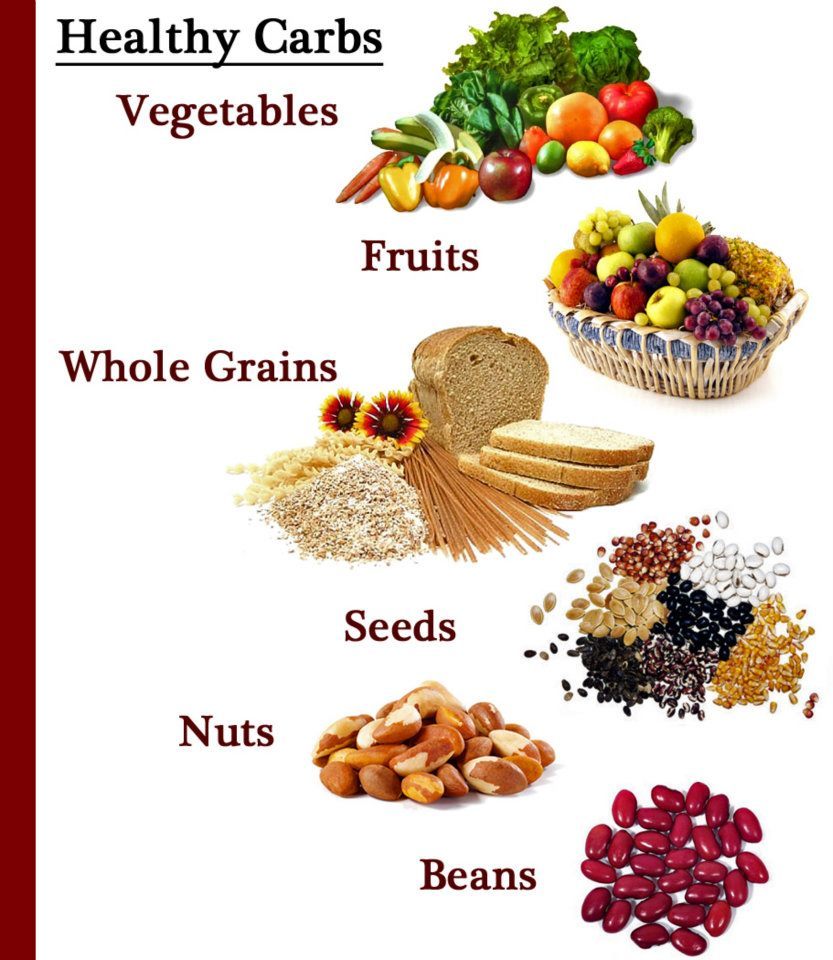
Be committed to eating large amounts of fruits, vegetables, rice, and beans while limiting or eliminating meat, dairy, eggs, and poultry. You may not be used to eating large amounts of food, but what makes more sense: eat large amounts of healthy food or small portions of greasy, salty, fried foods?

Furthermore, we need to eat foods that are high in calories and carbohydrates and sugars while low fat and low sodium (like bananas, dates, raisins, prunes, all fruit). Below I have listed my older posts on how to forever stick to veganism (NO EXCUSES!):

"Vegan is the cheapest diet?!"

http://veganslivingofftheland.blogspot.com/2012/06/why-do-people-think-veganism-is-so.html

"How to Take the Guess Work Out of Eating Vegetarian, Vegan, or Raw Food"

http://veganslivingofftheland.blogspot.com/2012/03/how-to-take-guess-work-of-eating.html

"The Feminist's Diet & the Media still promotes unhealthy eating standards"

http://veganslivingofftheland.blogspot.com/2012/06/feminists-diet-media-still-promotes.html

"5 Quick Cheap Low Fat Vegan Meals/Snacks for everyday"

http://veganslivingofftheland.blogspot.com/2012/05/5-quick-cheap-low-fat-vegan-mealssnacks.html

"Losing Weight Fast vs Keeping the Weight off"

http://veganslivingofftheland.blogspot.com/2012/05/losing-weight-fast-vs-keeping-weight.html

Sunday, June 10, 2012

Veganism is the cheapest diet?!

First of all, veganism being too expensive is a weak excuse for not eating healthy. Have you ever heard of a heroine junkie quitting drugs because they were too expensive? No, because if you want something badly enough, you'll do anything to obtain it. With that said, veganism is as expensive as you make it. Poor families in Africa and Asia live off of fruits, vegetables, and rice because they cannot afford meat.

What to Grow During the Summer

The best things to grow during the summer are staple foods like potatoes, beans, and corn. Summer is the best time to grow heat loving fruits and vegetables like tomatoes, peppers, cantaloupe, and watermelon.

Below are examples of what you can grow in the summer, that I am growing. The potatoes, corn, and peas were not of good quality, but the squash, zucchini, tomatoes, peppers, and beans were non-gmo, non-hybrid, and organic, which I purchased "Emergency Food Survival Seed Non-gmo Non-hybrid Gift Variety Pack Retail for $135". Basically the 'survival kit' contains 24 varieties of fruits and vegetable seeds for approx $23 (s&h $5). These seeds seem to be decent quality, considering everything we have planted from this kit has shot up tall and healthy.